
Designing for Longevity: The Most Sustainable Design Decision No One Talks About
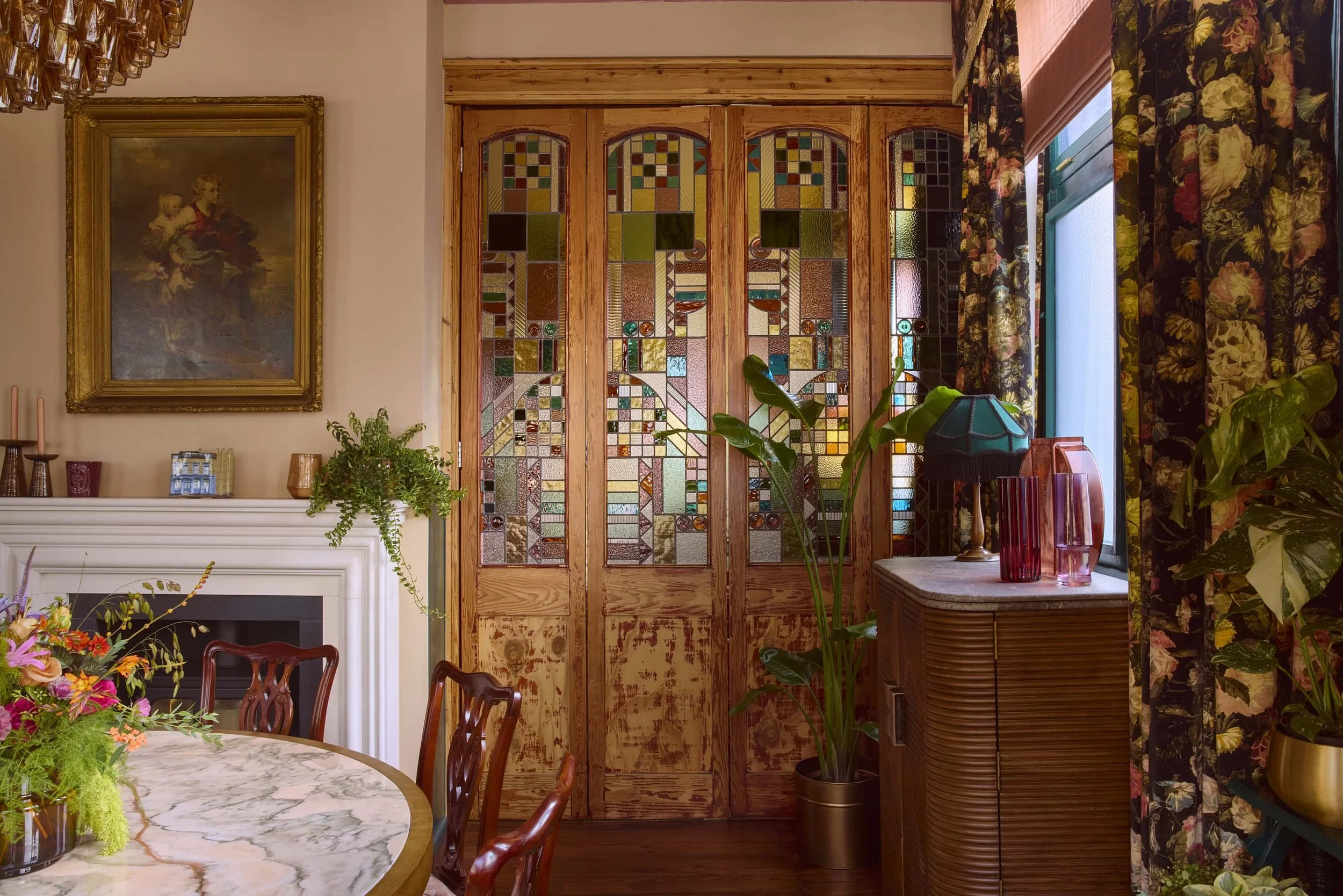
Can you spot the new versus restored pieces in our project at The Duke?
The most powerful sustainability strategy
There’s one sustainability strategy more powerful than recycled materials, greener products, or even circular procurement:
Longevity.
The longer a space or product lasts, the fewer resources we use over time. Yet in both workplaces and homes, interiors are often redesigned every few years — not out of necessity, but because the design was never intended to last.
Timeless design is sustainable design.
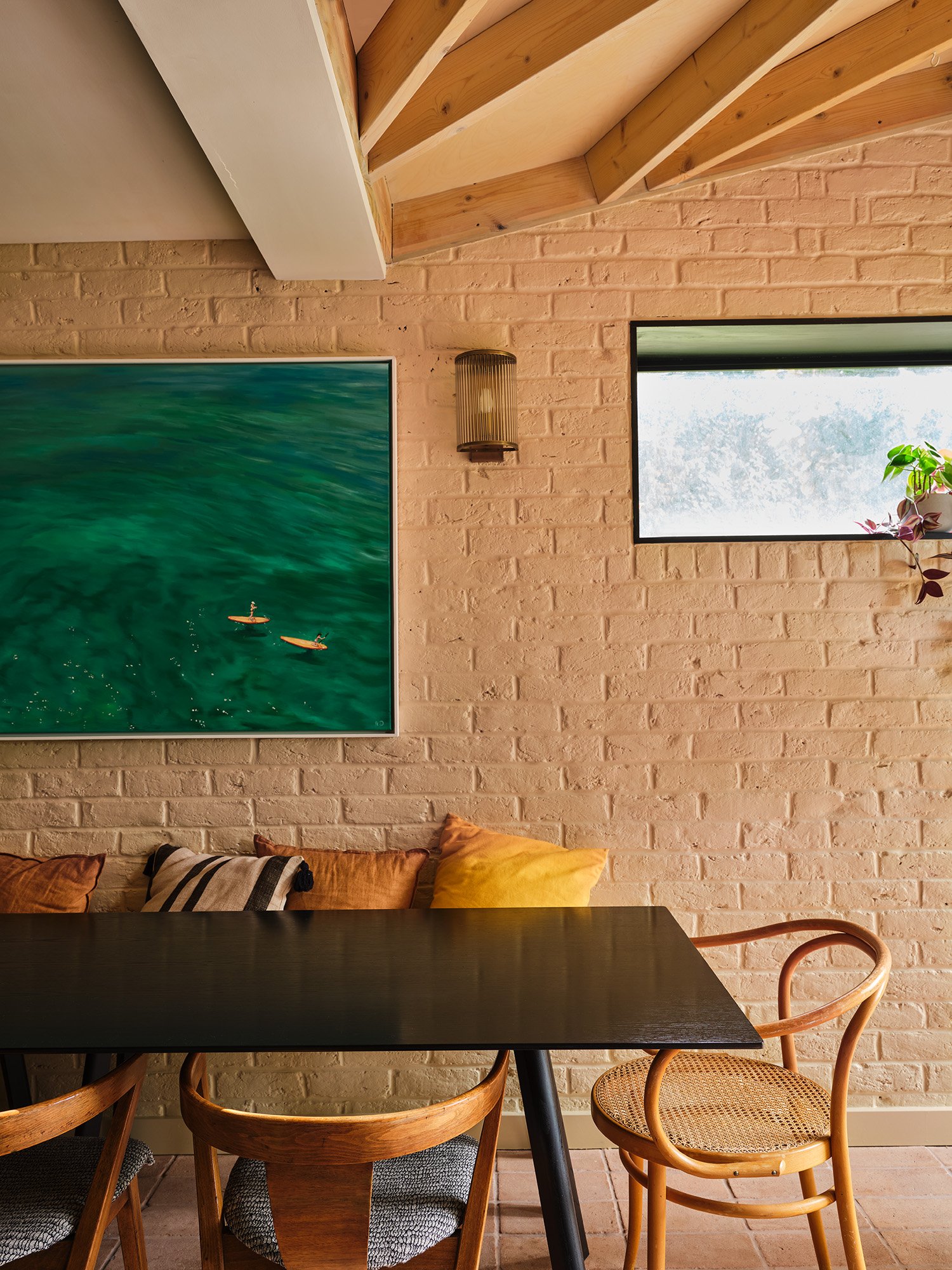
The terracotta floor tiles, painted brick and natural exposed ceiling creates character and warmth at Beulah Road
1. Choose Materials That Age Gracefully
Think of things like:
Solid wood
Stone
Wool
Linen
Terracotta
Timber veneers
These materials develop patina instead of devaluation.
2. Avoid Trend-Led Major Elements
Instead:
Keep walls and flooring neutral
Use timeless joinery
Add character through art, textiles and accessories
Refreshable layers = longer-lasting interiors.
3. Invest in Repairable Pieces
Think:
Sofas with replaceable covers
Modular shelving
Furniture with spare parts
Lighting with replaceable drivers and bulbs
Repairability drives longevity.
4. Buy Less, Buy Better
This is true for homes and workplaces. A single high-quality table can last 20+ years with refinishing.
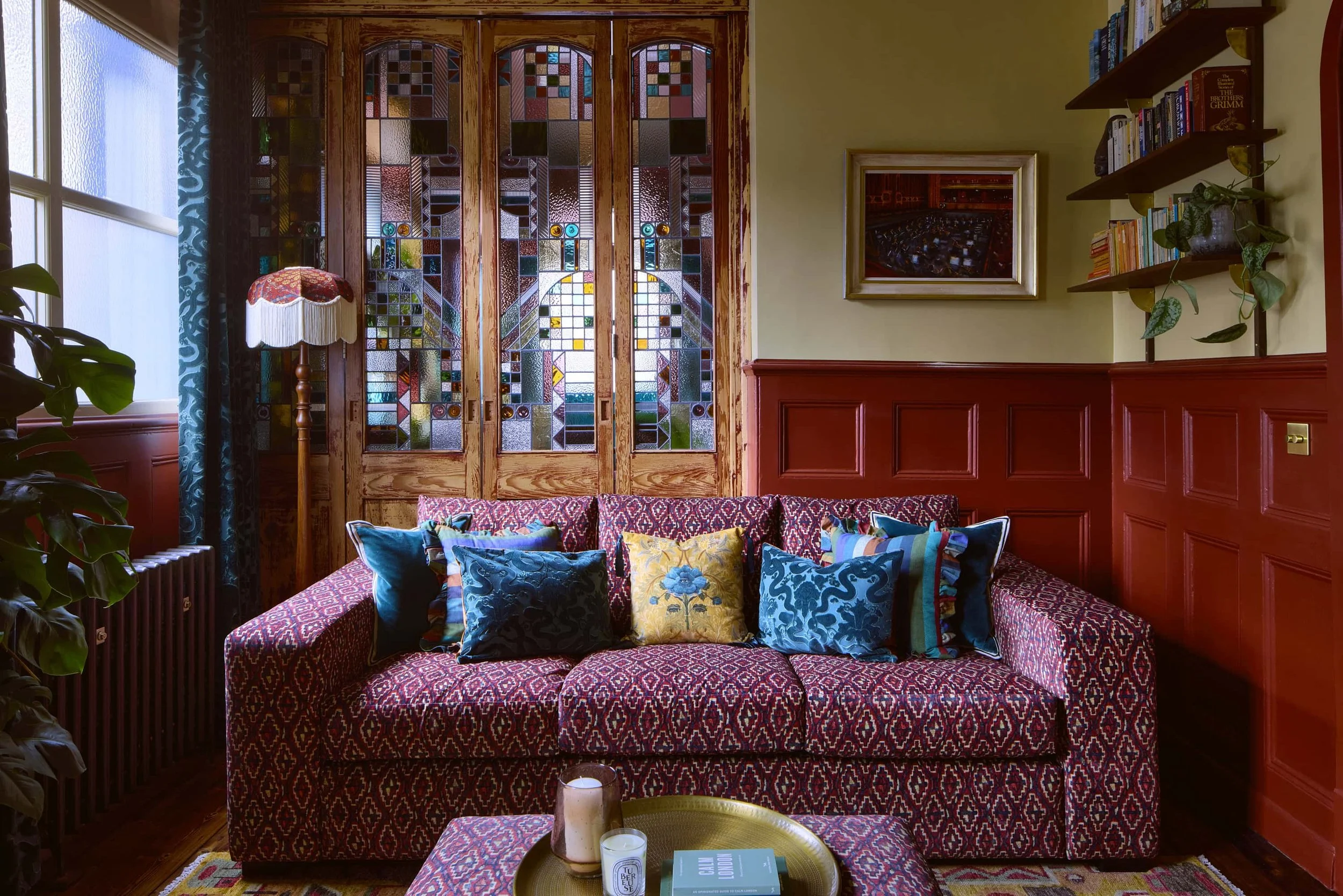
A good sofa can last and age. This one at The Duke project has been with our client for decades and with new upholstery will last decades more
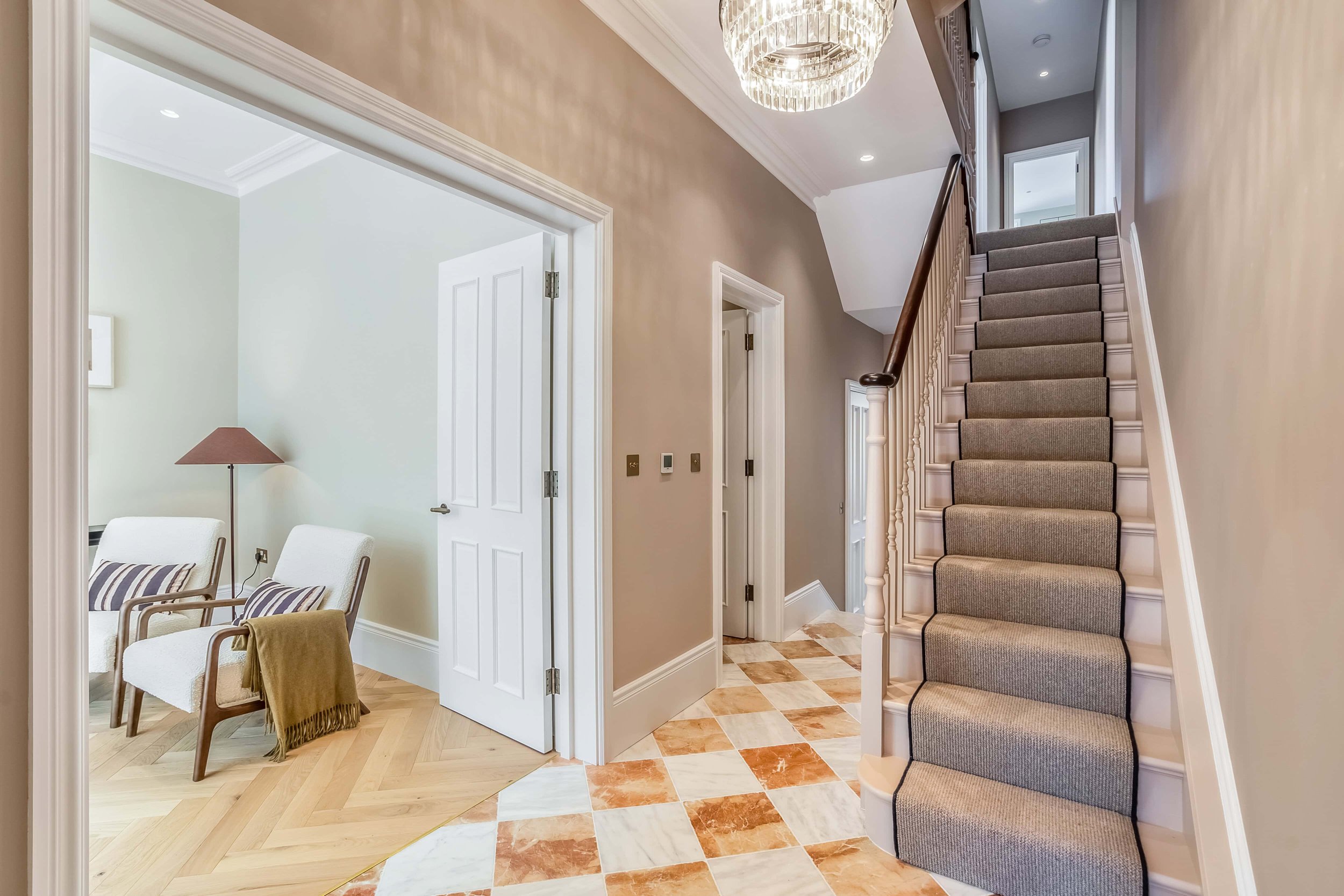
This marble entrance hall at Kempe Road is built to last but to ensure it does, it will need to be resealed at points during it’s life to keep it looking its best
5. Maintain What You Own
Maintenance is sustainability.
Reseal timber
Clean natural finishes properly
Rotate cushions / mattresses
Protect high-wear areas
A cared-for interior stays beautiful.
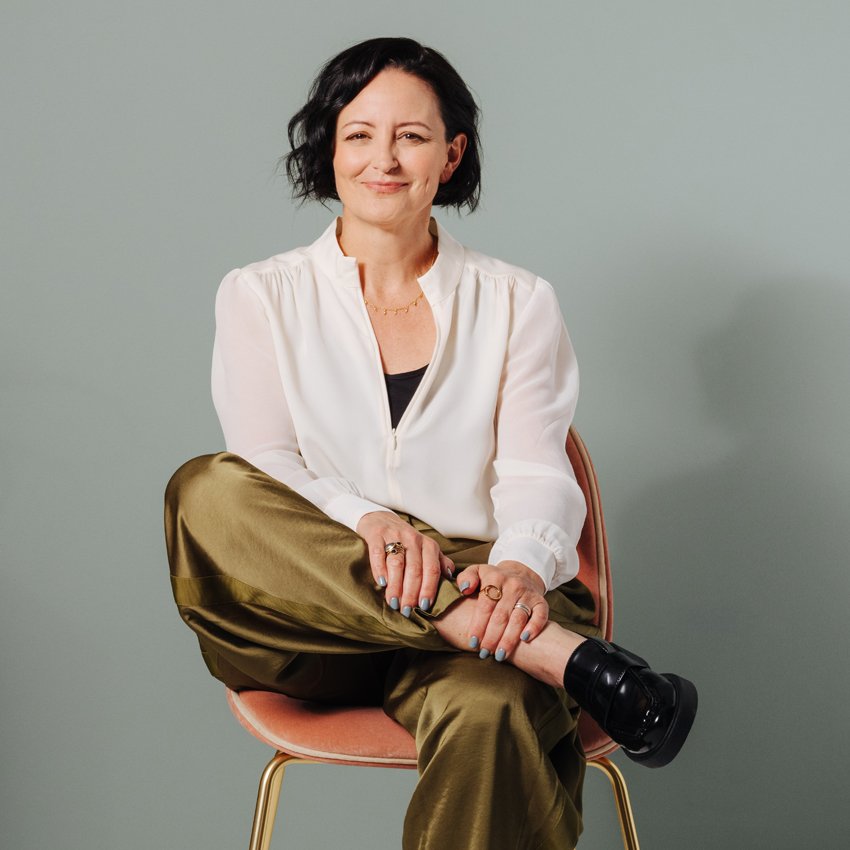
Author: Emma Morley, Director, Trifle*
Emma founded Trifle* in 2010 after a career in marketing, event design and production. Frustrated by the fact that only advertising agencies had inspiring spaces she had a desire to make good design the norm for all office workers. Emma has worked across well over 150 interior projects during her career at the helm of Trifle*, she remains passionate about making amazing spaces but also making the industry more accessible, more human and more diverse.