
Why We Love Scandinavian Design: Lessons in Simplicity, Light and Human-Centred Living
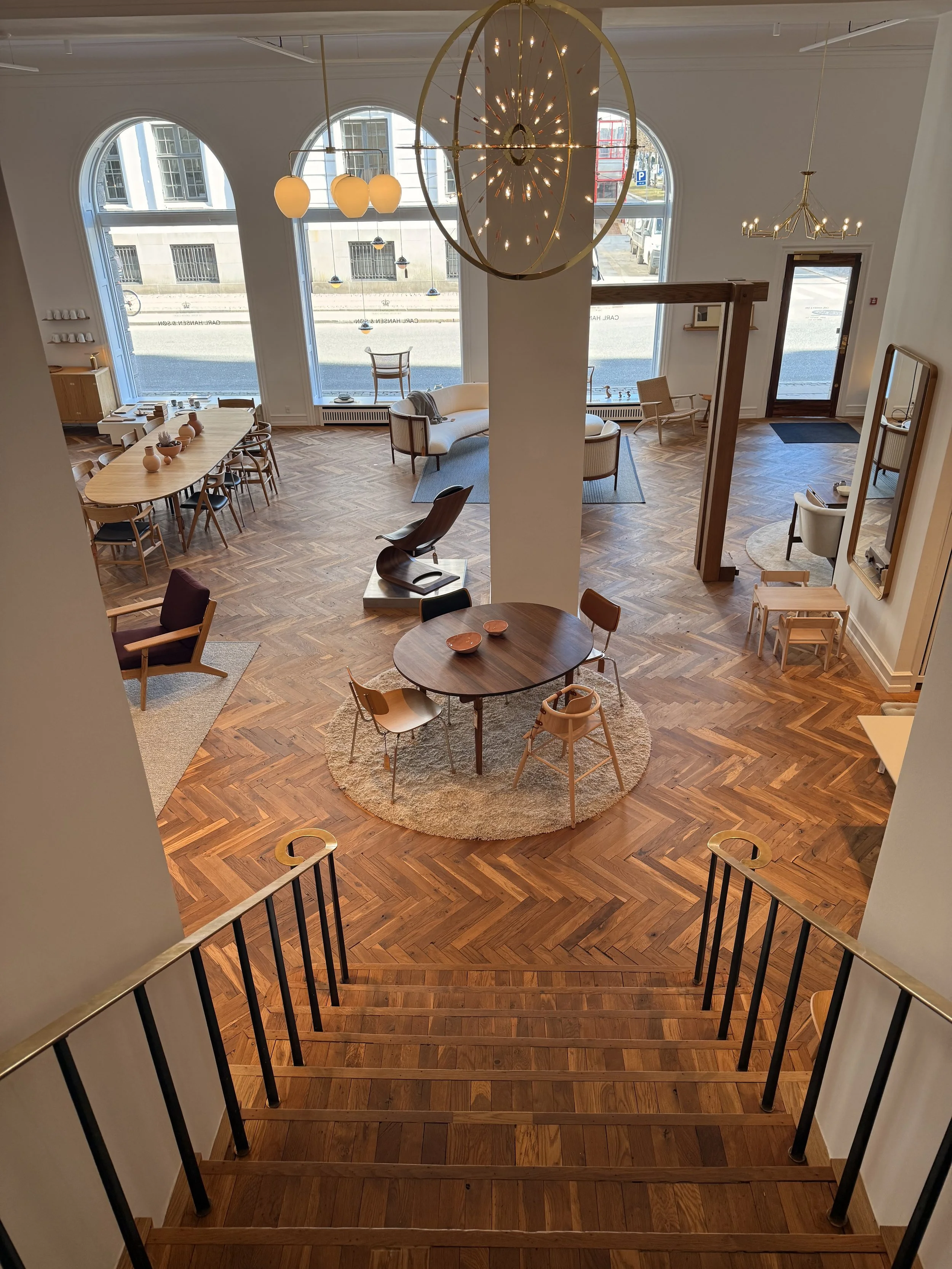
The Carl Hansen showroom in Copenhagen is a prime example of Scandinavian inspired living
The shaper of modern design…
Scandinavian design has shaped modern interiors more than almost any other design movement. From London apartments to contemporary offices around the world, its influence is unmistakable: thoughtful layouts, natural materials, beautifully crafted furniture and spaces designed around people.
In fact, Scandinavian design remains one of the most frequently referenced styles in client briefs, particularly in workplace design. Clients regularly ask for interiors that feel “Scandinavian-inspired” — by which they usually mean spaces that are calm, well-considered, human-centred and quietly elegant.
But Scandinavian interiors are not simply about a particular aesthetic. The enduring appeal lies in the deeper philosophy behind the style: function, wellbeing, craftsmanship and everyday beauty.
For interior designers, it remains one of the most important reference points for creating spaces that feel both timeless and genuinely liveable.
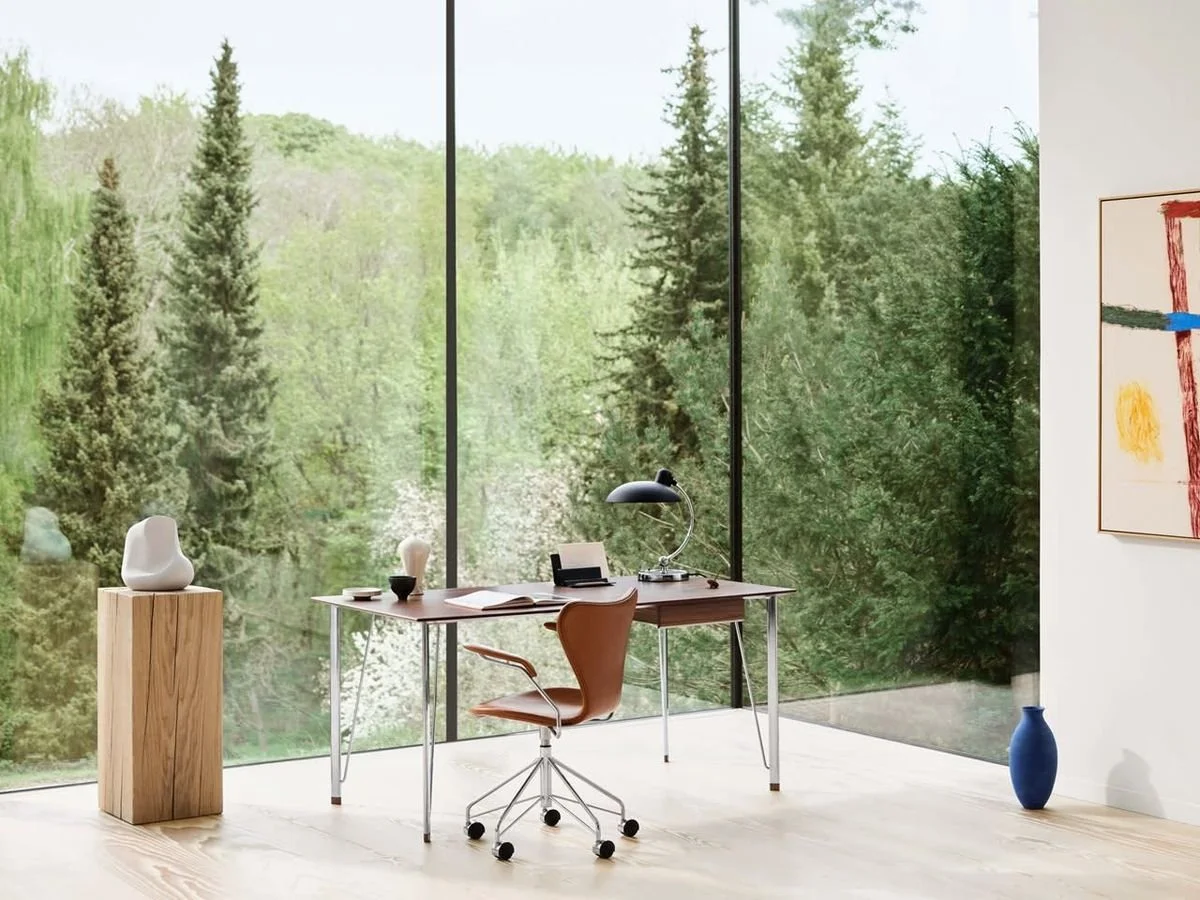
The beautiful FH3605™ by Arne Jacobsen or “Writing Desk”, in his own words, embodies Nordic minimalism and functionality at its best from Fritz Hansen.
What Is Scandinavian Design?
Scandinavian design refers to the design movement that emerged across Denmark, Sweden, Norway and Finland during the early twentieth century, reaching international prominence in the 1950s.
The style is typically characterised by:
Simplicity and clarity of form
Function-first design
Natural materials and craftsmanship
Thoughtful use of light
Human-centred spaces
Rather than decoration for decoration’s sake, Scandinavian interiors focus on clarity, comfort and thoughtful living.
The movement was strongly shaped by designers such as Alvar Aalto, Arne Jacobsen and Hans Wegner, whose work demonstrated that beautiful design could also be practical, accessible and built to last.
This philosophy — often described as democratic design — remains central to Scandinavian design thinking today.
Designed for Light, Climate and Everyday Life
The Nordic climate played a huge role in shaping Scandinavian interiors. With long winters and limited daylight, homes were traditionally designed to maximise light and create welcoming environments during darker months.
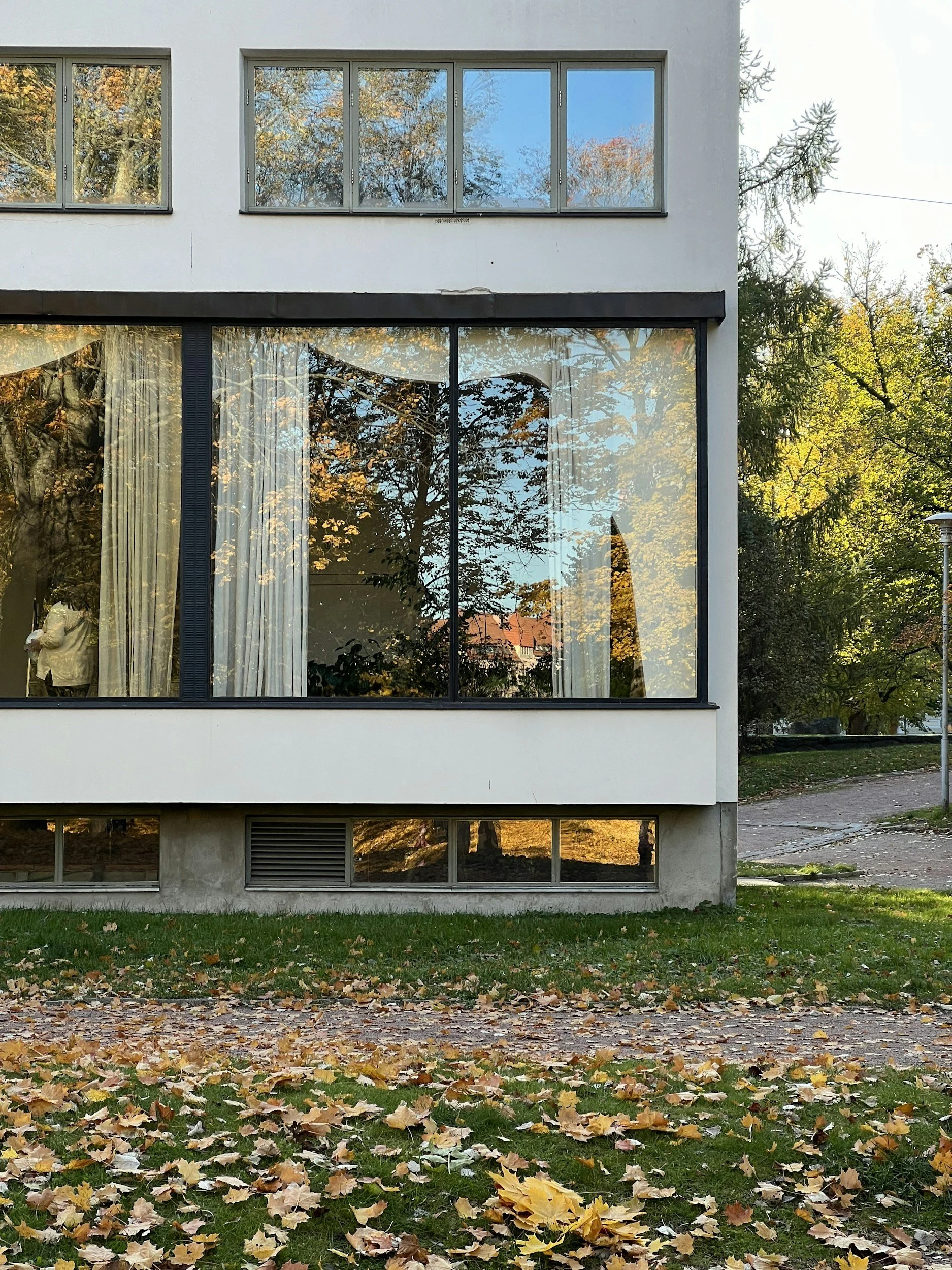
Large windows, reflective surfaces and carefully balanced palettes help bounce natural light around a room, while timber and natural materials introduce warmth and tactility.
The result is a design language that feels open, breathable and restorative — spaces that support daily life rather than compete with it.
This balance between practicality and atmosphere is one of the reasons Scandinavian design translates so well to modern homes and workplaces alike.

Natural Materials at the Heart of the Style
Nature plays a central role in Scandinavian design.
Timber is perhaps the most recognisable material, with woods such as oak, birch, pine and ash frequently used for flooring, furniture and joinery.
Natural textiles are equally important, including wool, linen, cotton and sheepskin
These materials introduce texture, warmth and comfort without overwhelming the simplicity of the space.
Scandinavian interiors often also include plants and greenery, reflecting the region’s strong cultural connection to nature and the outdoors. This approach aligns closely with modern biophilic design principles, which emphasise the importance of natural materials and nature for wellbeing.
The Influence of Hygge
No conversation about Scandinavian interiors would be complete without mentioning the Danish concept of Hygge.
Hygge describes a feeling of comfort, warmth and togetherness — something that is deeply embedded in Nordic homes.
In design terms, hygge often translates into:
soft layered lighting
comfortable seating
tactile textiles
spaces designed for connection and relaxation
The goal is not perfection but comfort and emotional warmth — interiors that support everyday rituals and moments of pause.
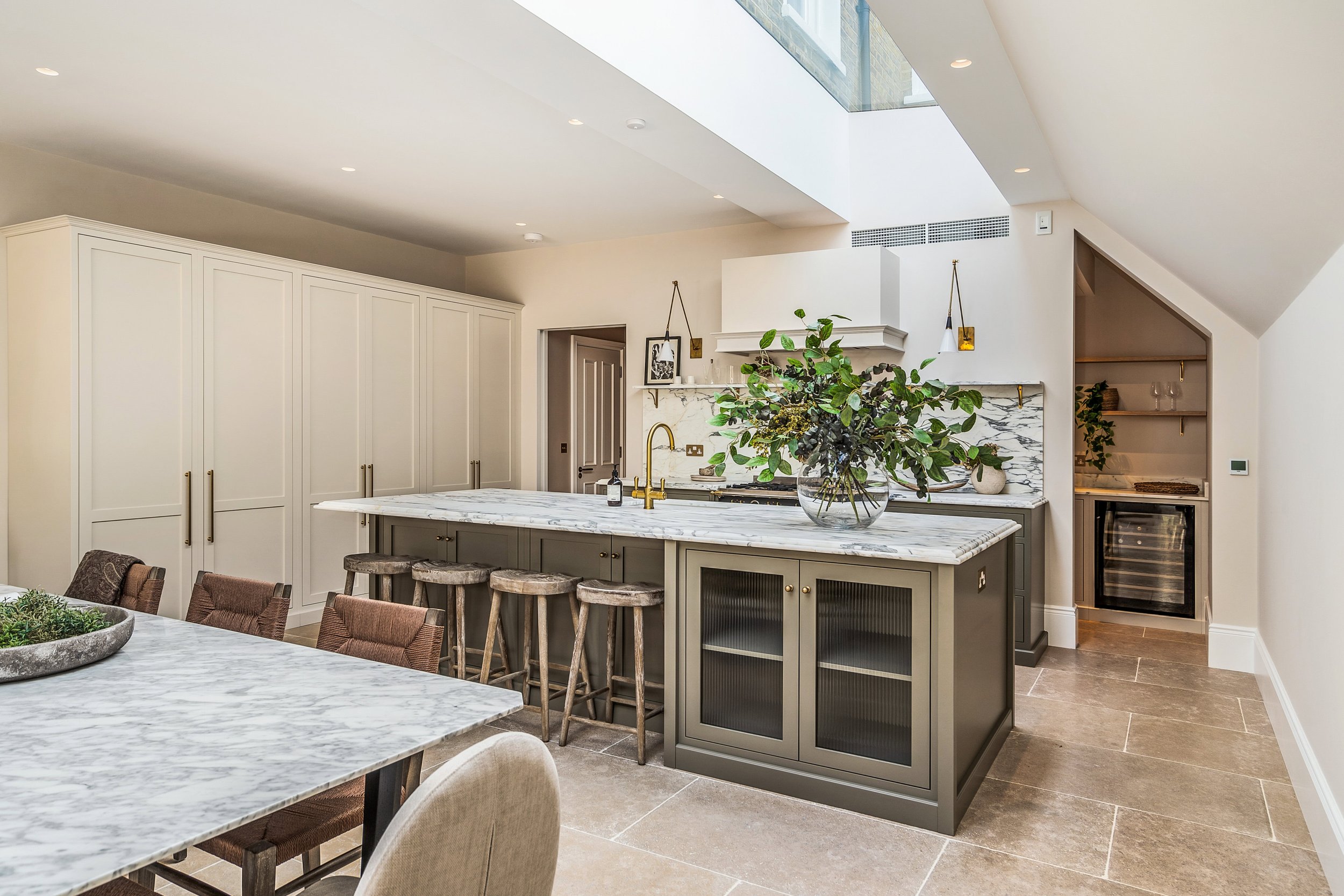
Hygge at our Kempe Road residential project
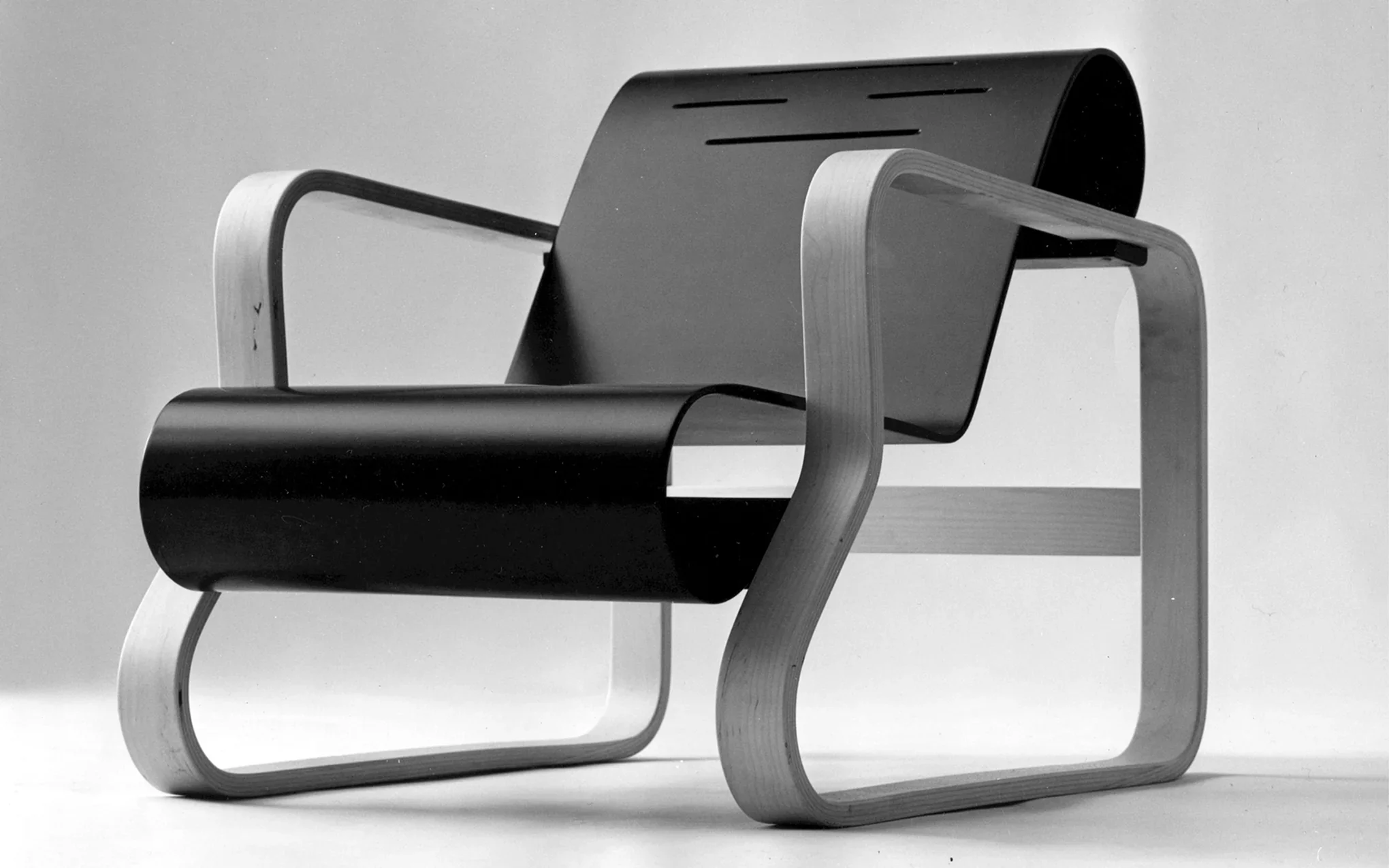
Alvar Aalto’s Paimio Chair is a tour de force in bentwood that tested the limits of 1930s plywood manufacturing. The chair was designed for a tuberculosis sanatorium for use in the patients’ lounge; the angle of the back of the armchair was intended to help sitters breathe more easily.
Scandinavian Furniture: Icons of Craft and Simplicity
Scandinavian furniture design is renowned for its clarity of form and exceptional craftsmanship.
Rather than elaborate ornamentation, pieces are defined by clean lines, honest materials and precise detailing.
Many mid-century Scandinavian furniture designs remain hugely influential today because they successfully balance ergonomics, functionality and beauty.
Furniture is designed to last decades rather than seasons — an approach that feels increasingly relevant in an era of sustainability and more mindful consumption.
Scandinavian Design Today: More Expressive, Still Thoughtful
While the world often associates Scandinavian interiors with restrained palettes, contemporary Nordic designers and brands have increasingly embraced richer colour combinations and more expressive interiors.
Studios such as Note Design Studio and Form Us With Love have helped shape a new wave of Scandinavian design that is confident, contemporary and playful.
Colour specialist Teklan has also been hugely influential in reframing how colour is used within Nordic interiors.
Brands including HAY and Muuto have further pushed this evolution, introducing bold hues, graphic forms and more expressive palettes while still maintaining the clarity and simplicity associated with Scandinavian design.
And of course, the joyful colour experimentation of Verner Panton showed decades ago that Scandinavian design has always had a playful, expressive side.
What remains constant is the underlying philosophy: thoughtful design, intelligent use of materials and spaces that prioritise human experience.
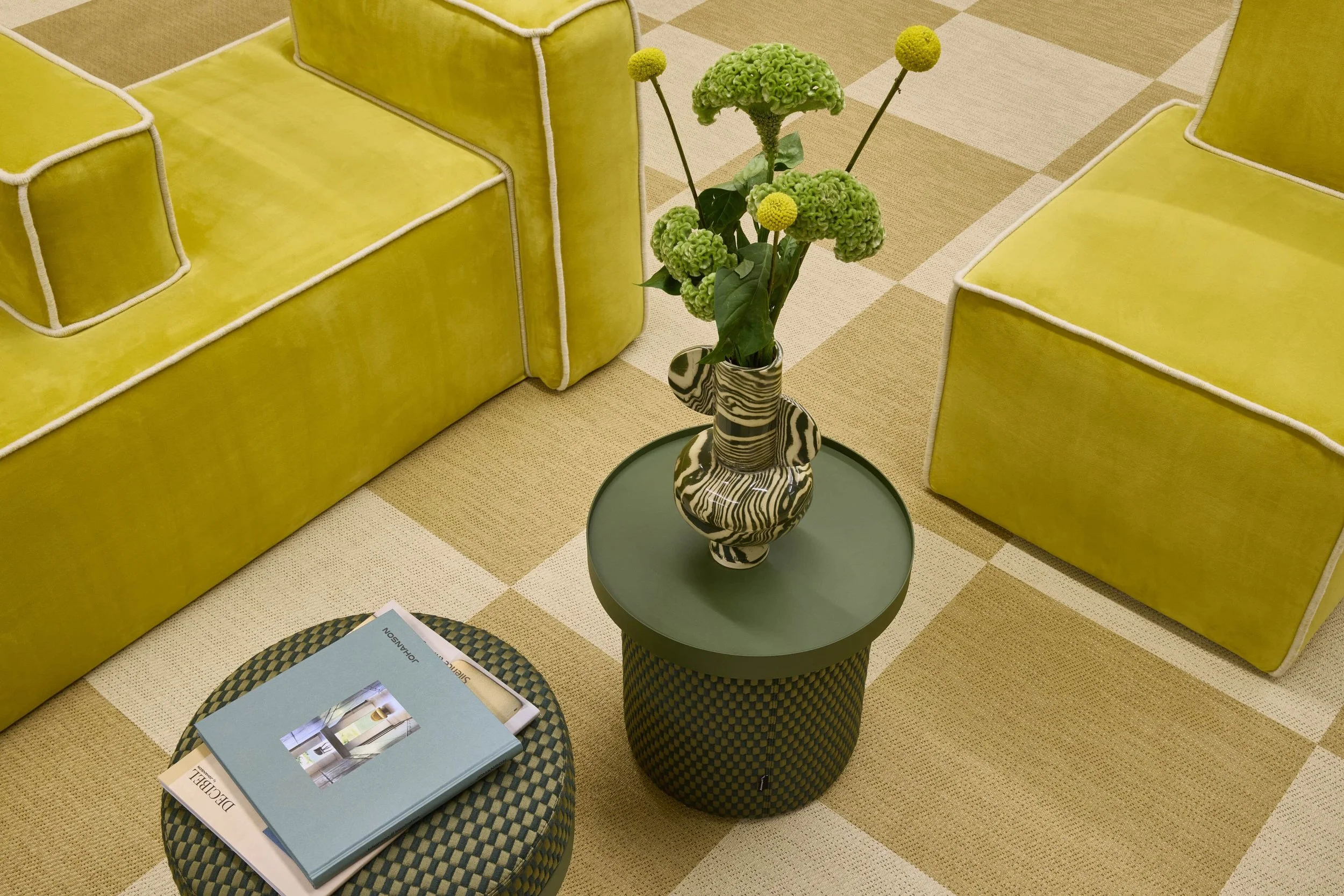
Our work for Johanson was heavily influenced by the work Teklan had previously done for the brand
A Trifle Perspective
At Trifle, we often see Scandinavian design referenced in client briefs — particularly for workplaces where businesses want environments that feel calm, purposeful and well considered.
The Nordic focus on human-centred spaces, natural materials and clarity of design aligns strongly with how we approach both residential and workplace interiors.
Where our work sometimes diverges is simply in how far we push colour and layering.
Because while simplicity is powerful, we also believe interiors should feel joyful, personal and full of life.

Author: Emma Morley, Director, Trifle*
Emma founded Trifle* in 2010 after a career in marketing, event design and production. Frustrated by the fact that only advertising agencies had inspiring spaces she had a desire to make good design the norm for all office workers. Emma has worked across well over 150 interior projects during her career at the helm of Trifle*, she remains passionate about making amazing spaces but also making the industry more accessible, more human and more diverse.